Integrated Social Media Strategy
A successful strategy demands more than regular posting. It requires meaningful integration across channels, ensuring every message, campaign, and interaction serves a broader purpose.
This article is part six and the final instalment of our six-part series, A Complete Guide to Why Your Business Needs a Social Media Strategy. In this final guide, we bring everything together to show how integration across all platforms creates a consistent, connected, and high-performing social presence.
An integrated social media strategy ties together your online presence across email marketing, websites, social platforms, advertising, and customer service into one unified and effective system. When executed well, it increases brand awareness, improves customer engagement, and enhances every part of your marketing efforts.
What Does “Integration” Actually Mean?
An integrated strategy ensures that your messaging, visual identity, and campaign objectives are consistent across every customer touchpoint. It means your email marketing complements your social media posts; your product or service pages reflect the same tone as your paid ads; and your content calendar supports your wider brand goals.

For customers, this creates continuity. Whether someone engages with your website, a blog post, or a piece of social content, the experience feels familiar, purposeful and connected.
Why Integration Is No Longer Optional
Audiences move seamlessly between channels. They may encounter your brand on Instagram, research your offering on Google, sign up for your newsletter, then see a retargeted advert – all within a few hours. If these interactions don’t align, it creates confusion and undermines trust.
An integrated social media strategy:
- Reinforces brand identity through consistent messaging
- Allows teams to work from shared goals and assets
- Increases conversions by making it easier for users to navigate across touchpoints
- Enables smarter performance tracking across marketing campaigns
Without integration, marketing efforts remain siloed – leading to wasted resources and missed opportunities.
Strategic Building Blocks of Integration
To build an effective strategy, several key elements must align. These include how you position your platforms, structure your messaging, connect your channels, and use tools and technology to manage everything behind the scenes.
Define the Role of Each Platform
Not every platform should do everything. Instagram is ideal for showcasing your visual identity and brand lifestyle, while LinkedIn excels in professional positioning and B2B thought leadership. TikTok might drive creative awareness, whereas X (formerly Twitter) delivers real-time engagement.
Instead of repurposing the same content, assign each channel a defined purpose based on your goals and your audience’s behaviour. This clarity ensures your content is more targeted, less repetitive, and more effective.
Create a Unified Brand Voice
An integrated strategy depends on consistent tone, messaging and visual presentation. Whether a user is reading a blog, scanning a tweet, or opening an email, your brand’s personality should be instantly recognisable.
You don’t need to say the same thing everywhere – but the core message, values and intent must align. This builds familiarity and enhances trust.
Link Social and Website Journeys
Your website is the anchor of your digital presence. Social media should drive traffic to relevant landing pages, product or service content, and blog posts – while your website should highlight your social presence through embedded content, live feeds or social share buttons.
For example, showcasing customer photos from Instagram on a product page encourages engagement and social proof. Likewise, sharing behind-the-scenes stories or product demos on social media can help convert leads who are already browsing your site.
Bringing Email Marketing Into the Fold
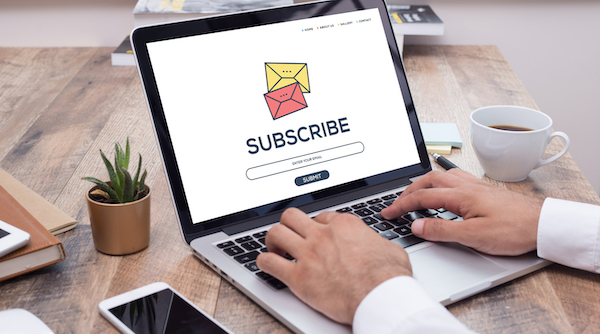
Email remains one of the highest ROI marketing channels, and integrating it with social media expands its value. Use newsletters to highlight social campaigns, embed posts, and promote giveaways. At the same time, grow your email list through your social media profiles, offering lead magnets or exclusive access.
Campaigns become even more effective when content calendars are synced. A major announcement shouldn’t just go out in an email – it should be repurposed as a multi-platform narrative across Instagram, LinkedIn, TikTok and beyond. Every channel reinforces the others.
This doesn’t just amplify reach. It builds a sense of momentum around your messaging – crucial for increasing both engagement and conversions.
CRM, Customer Service and Social Listening
Integrated strategies also involve connecting social interactions to your customer relationship management (CRM) tools. When someone raises a query on Facebook Messenger or replies to your tweet, you should be able to view their profile, past purchases, or previous conversations.
This allows you to tailor responses and improve service – turning basic interactions into relationship-building moments.
By monitoring common pain points or questions raised on social media, you also gather insight that can influence everything from product development to content themes. Integrating your CRM with your social tools doesn’t just streamline operations – it unlocks a deeper understanding of your audience.
Creating Content That Translates Across Channels
Integrated content starts with a central idea and then adapts it for each platform. Suppose you’re launching a new product or service.
Your approach might include:
- A teaser video or reel on TikTok or Instagram
- A behind-the-scenes narrative on Stories
- A professional blog post shared via LinkedIn
- A customer review shared as a carousel or tweet
- An email introducing the offer with a CTA to your landing page
Each asset serves a distinct role, yet all support the same campaign theme. This strategy encourages your target audience to engage in multiple ways, reinforcing your message without becoming redundant.
When you integrate content in this way, you deliver not just information – but an experience.
Practical Examples of Integration in Action
Global brands offer great models for integration – but so do local businesses. Consider how Amazon retargets users across platforms, combining data from browsing history, CRM and social insights to deliver timely ads. Their messaging and product suggestions remain aligned no matter where the customer engages.
Sephora, meanwhile, ties loyalty data to personalised content – from social posts to email reminders – ensuring their product suggestions and brand stories reflect customer preferences.
Closer to home, even small businesses can integrate campaigns by linking Instagram UGC to product pages, scheduling social posts that mirror blog articles, and aligning social content with seasonal email promotions.
Integration isn’t about size – it’s about strategy.
Supporting Integration with Tools and Technology
Successful integration depends on technology that enables coordination without overwhelming your team.
Tools like Sprout Social or Hootsuite manage publishing, engagement and analytics across platforms. Mailchimp or ActiveCampaign support automated email journeys that align with social campaigns. CRMs such as HubSpot connect customer activity to social, email and web analytics.

modern technology and data
Even simple integrations – like syncing contact lists or automating cross-channel reporting – save time and ensure consistency.
Increasingly, artificial intelligence adds further power. AI can help with post timing, sentiment analysis, and even content ideation – though human oversight remains essential for brand integrity.
Measuring the Impact of Integration
You can’t optimise what you can’t measure. Integrated strategies require centralised analytics to track how each channel contributes to outcomes.
Using tools like Google Analytics with UTM parameters allows you to trace how a social media post drives website visits and whether those visitors convert. Similarly, tracking click-throughs from social in your email platform reveals how these audiences overlap.
Look beyond vanity metrics. Assess how your marketing campaigns work together – not just how they perform in isolation. Are users moving from social to your website? From email to product pages? From Instagram Stories to checkout?
Integration makes it possible to see the full journey – and make smarter decisions based on real behaviour.
Pitfalls to Avoid
Even the best strategies can fall short if integration is poorly executed. Some common issues include:
- Publishing the same content across all platforms without adapting it
- Teams working in silos, leading to conflicting messages or duplicated efforts
- Over-automating, which can make the content feel robotic or impersonal
- Failing to align schedules or campaign objectives across departments
Integration should feel natural, not forced. It takes planning, communication and ongoing optimisation – but the results are well worth the investment.
Final Thoughts
An integrated social media strategy isn’t about doing more. It’s about doing what matters – and ensuring everything you do works together.
When your social media channels, email marketing, website, CRM, and customer engagement align, you don’t just increase reach. You deliver better experiences, encourage customers to engage deeply, and ultimately drive more meaningful results.
Conclusion: Put Your Social Media Strategy into Action
A strong social media strategy is not about chasing trends or posting for the sake of it. It is about aligning your content with real business goals that drive results. By clearly defining what success looks like, understanding your audience, choosing platforms with purpose, and crafting a plan to deliver consistent and engaging content, you create the foundation for measurable impact.
The best strategies are built to adapt. As your audience’s needs change, so should your content. As new platforms emerge, your messaging and tactics must evolve. Review your approach regularly, test new formats, and stay open to adjusting your focus.
We continuously audit performance, explore new tools, and refine campaigns to ensure everything stays aligned, from the smallest post to the largest brand campaign.
Focusing on engagement over output ensures your brand builds lasting relationships, not just reach. Collaborating with creators and influencers adds credibility and creativity, while performance tracking allows you to improve continuously using data, not assumptions. Most importantly, your social media efforts should never sit in isolation. They should support and reflect your wider business strategy.
This article is part six and the final instalment of our series, A Complete Guide to Why Your Business Needs a Social Media Strategy. If you missed any of the earlier parts, you can read them from the list below.
Use this guide as your roadmap. Social media success does not happen overnight, but with a thoughtful and results-driven approach, you can build a strategy that not only raises awareness but delivers meaningful outcomes.Ready to stop guessing and start growing? Let Smoking Gun craft a strategy that hits harder, lasts longer, and delivers results where it matters. Get in touch today.