In a competitive business landscape, standing out from the crowd is about your reputation: who knows you, how they perceive you, and whether they trust your company. While many brands invest heavily in paid advertising, they often overlook Public Relations (PR), which is an incredibly powerful tool for building authentic credibility. At Smoking Gun, we pride ourselves on helping brands grow visibility, likeability, and memorability with our PR campaigns.
But what exactly is PR, what does a PR agency do, and how does it fit within your commercial strategy? In this guide, we’ll dive into what PR is, its benefits, and what a PR agency can do for your business.
What is PR in Marketing?
At its core, public relations is the strategic management of relationships between an organisation and its public. While traditional advertising is ‘paid media’ (PPC or display ads), PR is primarily focused on ‘earned media’ and ‘owned media’. ‘Earned media’ refers to organic publicity and exposure that you do not pay for or control, such as word of mouth, customer reviews, or social media mentions, while ‘owned media’ is the digital content that a company owns, like a website, blog, emails, and social media channels.
Instead of paying a platform to display an advertisement, PR involves crafting compelling narratives that convince journalists, influencers, industry editors, and search engines to talk about your brand organically. Advertising might tell an audience that a product exists, but PR provides the third-party validation and credibility via news features, expert commentary, and influencer partnerships that convince the audience to trust the brand.
Difference Between Traditional PR and Digital PR
Traditional PR focuses on offline, high-authority media channels, such as securing print features in national broadsheets, landing broadcast interviews on TV and radio, and placing articles in physical trade magazines. The primary goals here are mass brand awareness, high-level message control, and corporate stature.
On the other hand, digital PR takes the core principles of storytelling and adapts them for the modern internet. It involves pitching to online journalists, securing placements on digital publications, collaborating with content creators, and gaining visibility within AI search engines (like ChatGPT and Google’s Gemini).
Crucially, digital PR targets the exact digital spaces where your modern consumers spend their time; for more information, read our blog: What is Digital PR and Why Is It Important?
Benefits of Digital PR
- Search Engine Optimisation (SEO) and Domain Authority: High-quality backlink profile growth is a primary search ranking factor. Every time an online newspaper or major trade site covers your brand and includes a link to your website, search engines view your brand as a trusted authority, driving up your organic search rankings.
- AI Search Engine Optimisation (GEO): Modern search engines and AI language models look for digital consensus. A strong digital PR footprint ensures your brand is cited as a trusted source when users ask AI engines for recommendations.
- Measurable Referrals and Data Insights: Unlike a printed newspaper article, digital PR elements feature clickable links. This allows you to track exact referral traffic, user behaviour, and inbound pipeline conversions via your CRM.
- Long-Term Content Visibility: While a physical paper is thrown away the next day, online articles, blog features, and digital interviews remain indexed permanently, continuing to drive traffic and authority for years.
What Does a PR Agency Do?
A modern agency acts as your strategic communications partner, handling a complex mix of media relations, data analysis, and creative content creation. The core responsibilities of a dedicated agency team include:
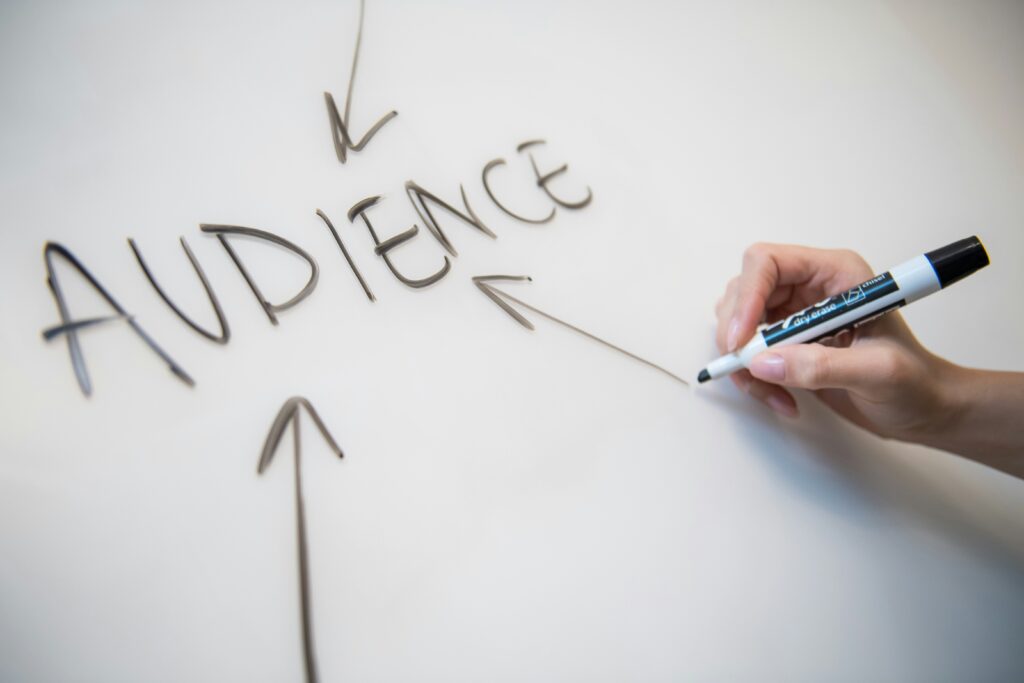
- Mapping out exactly who your audience is, where they consume information, and what narrative will move them to action.
- Using their established networks of journalists, editors, and producers to position your brand at the front of the news cycle.
- Crafting everything from thought-provoking opinion pieces and whitepapers to scroll-stopping social media assets and video marketing campaigns.
- Matching your brand with the right digital creators to build authentic consumer trust through peer-to-peer storytelling.
Is a Marketing Agency the same as a PR Agency?
While they collaborate closely, a marketing agency and a PR agency are not the same. A marketing agency generally looks at the entire commercial funnel, focusing on managing paid advertisements, lead-generation tactics, and direct sales activations to drive immediate customer actions.
A PR agency will focus solely on building the foundational reputation, credibility, and organic authority that makes those marketing channels perform better. Marketing builds the mechanism to sell, while PR builds the long-term credibility that makes people want to buy.
Explore Smoking Gun’s Digital PR Services
At Smoking Gun, we believe exceptional content and public relations go beyond simply ticking boxes. We are a strategic communications and digital PR agency designed for brands that dare to disrupt their industries. Our work blends creative genius with hard, data-driven research; our dedicated research teams uncover the hard-hitting industry facts needed to craft stories that journalists want to write and consumers want to read.
Beyond standard growth campaigns, we also know that digital spaces demand constant vigilance. We also provide robust PR and reputation management services to safeguard your brand’s integrity, actively manage online reviews, and navigate complex crisis communications, ensuring your corporate legacy remains protected.
Want real business results?
Get in touch with our ingenious storytellers today and get ready to make an impact and elevate your brand presence.