Posting regularly keeps your accounts alive. It doesn’t make them work. Without a clear strategy behind it, social media becomes a content treadmill: plenty of effort, a few nice-looking numbers, and very little to show the board.
In this blog, we answer the big question first: why is social media marketing important? We look at how businesses use social media for marketing, why the importance of a social media strategy is so often underestimated, and what separates activity from commercial impact.
And because the end of summer is when most brands return to their plans and look hard at the rest of the year, we’ve put together a practical post-summer reset: tips for refreshing your strategy before the busiest quarter of the year.
Why Is Social Media Marketing Important?
Social media marketing matters because it is where your customers already spend time, discover new brands, and decide who to trust. Used strategically, it builds awareness, drives traffic, generates leads and sales, and gives you a direct line to your audience that no other channel can match.
The scale speaks for itself. According to DataReportal’s Digital 2026 report, there are 5.66 billion active social media user identities worldwide, equal to 68.7% of the global population. More than 30% of adult internet users say they discover new brands, products, and services through ads on social platforms, and 62.8% of Instagram’s active users say they use it to follow or research brands and products.
In short, social media matters to businesses because it:
- Builds visibility at scale. It puts your brand in front of the people you want to reach, where they already scroll.
- Shapes perception and trust. What people see from you, and what others say about you, influences whether they choose you over a competitor.
- Drives measurable commercial outcomes. Traffic, enquiries, sign-ups and sales can all be tracked back to social activity.
- Creates two-way relationships. Comments, DMs and community spaces let customers talk to you, not just hear from you.
- Delivers real-time insight. Social listening reveals what your audience cares about, how they feel about your brand and where the next opportunity is.
For the full picture of how the discipline works, read our complete guide to social media marketing.
How Businesses Use Social Media for Marketing
Social media isn’t one job. The brands that get the most from it use it to do several things at once, each tied to a clear business goal. Here’s how businesses use social media for marketing today:
- Brand awareness and share of voice: reaching new audiences through organic content, paid social and influencer marketing, and measuring how much of the category conversation you own.
- Content and storytelling: using short-form video, carousels, live sessions, and UGC to give people a reason to stop scrolling and remember you.
- Lead generation: driving qualified traffic to gated content, sign-ups, and enquiry forms, tracked through UTMs and CRM data.
- Social commerce: selling directly through shoppable posts, TikTok Shop, and Instagram Shopping, shortening the path from discovery to purchase.
- Community and customer service: answering questions, resolving complaints, and building loyalty in public, where other customers can see how you treat people.
- Audience insight: using social listening to track sentiment, spot trends early, and understand what customers really think of you and your competitors.
- Reputation and corporate profile: building credibility for leaders and the business on platforms like LinkedIn through corporate profiling, and protecting that reputation when things go wrong.
How you weight these depends on your business. A B2C brand launching a new product will lean on creators, video, and social commerce, while a B2B business may focus on LinkedIn thought leadership and lead generation. If you sell to consumers, our guide on how to build a winning B2C social media strategy goes deeper.
The Importance of Social Media Strategy
This’s where many businesses get stuck. They’re active on social, but they’re not strategic. Daily posts over three months might grow a following, but if nobody has defined what that following was for, it rarely converts into anything the business can bank.
The importance of social media strategy comes down to one thing: it connects every post, campaign, and pound of budget to a business outcome. Without it, you’re guessing. With it, you know what you’re trying to achieve, who you’re talking to, where to show up, what to say, and how you’ll prove it worked.
Our work with Philips Airfryer shows what that looks like in practice. For the Fry & Mighty campaign, we mapped every piece of social activity back to measurable outcomes. The result was a 900% year-on-year increase in market share, alongside a 10% uplift in brand preference and a 36% rise in consideration. That’s the difference between social as a to-do list and social as a growth driver. See more results like it in our work.
Start With Business Goals, Not Platform Metrics
Every strong strategy starts with what the business needs: more market share, more qualified leads, better retention, a stronger employer brand or a healthier reputation. Social goals should then ladder up to those priorities. If the goal is leads, you need gated content and clear calls to action. If it’s awareness, reach, share of voice, and shareability matter most.
Use the SMART framework to make goals specific enough to act on. “Increase engagement” is a wish. “Grow qualified LinkedIn traffic to our whitepaper by 25% this quarter” is a goal. Frameworks like AMEC then help you track the journey from outputs to outcomes and, ultimately, business impact. That same thinking sits at the heart of our communications strategy work.
Know Exactly Who You’re Talking To
“Small business owners” is not an audience. “Owners of independent retailers with one to ten stores, short on time and watching every cost” is. The more precisely you define your audience, the easier it is to choose platforms, formats, and messages that land.
Platform analytics and audience research give you demographics and interests. Social listening adds the why: what people are saying about your brand, your competitors and your category, and how sentiment is shifting. Our data and insights team uses listening to spot opportunities and risks before they become obvious.
Choose Platforms on Purpose
You don’t need to be everywhere. Be where your audience is and where your content works hardest. LinkedIn suits B2B lead generation and thought leadership. Instagram is built for visual storytelling and creator partnerships. TikTok rewards entertainment-first, trend-led content and increasingly drives purchases. Pick fewer platforms and do them properly.
Create Content That Earns Attention
Consistency builds recognition, so keep your brand voice and visual identity the same whether it’s a 15-second Reel or a LinkedIn article. Within that, mix formats to keep people interested:
- Short-form video to demonstrate products, show personality and reach new audiences.
- Carousels and infographics to turn complex ideas or data into something people save and share.
- User-generated content to provide social proof that feels more credible than anything a brand says about itself.
- Live sessions and Q&As to create real-time conversation and answer objections directly.
Our content creation team plans every asset for the platform it’s going on, so one shoot can become a full suite of platform-ready content.
Measure What Matters
Likes feel good. They rarely pay the bills. A strategy defines the metrics that answer real business questions, such as:
- Engagement rate: how much your audience interacts with your content, signalling whether it’s resonating.
- Reach and impressions: how many people saw your content and how often.
- Click-through rate: how often people take the next step to your website or landing page.
- Conversion rate: how many people complete a desired action, from sign-up to purchase.
- Sentiment and share of voice: how people feel about you and how much of the category conversation you own.
Then use the data to adapt. If informational LinkedIn posts are driving more qualified leads than Facebook promotions, move budget accordingly. Our measurement and evaluation team builds frameworks that link social activity to sales and brand tracking, and our guide to tracking social media performance explains how.
Protect Your Reputation
Social is where reputational issues surface first and spread fastest. A strategy should include a clear crisis plan: likely scenarios, who signs off public statements, response timeframes and escalation routes. Day-to-day, responding quickly and transparently to complaints can stop a minor issue from becoming a headline. Our reputation management and crisis comms teams help brands prepare, and our complete guide to crisis management covers the essentials.
The Post-Summer Reset: 7 Tips to Refresh Your Social Media Strategy
Summer is when plans drift. Teams are on holiday, posting goes on autopilot, and campaigns run longer than they should. The weeks after summer are the natural time to reset, and with Black Friday and Christmas around the corner, the decisions you make now will shape your results for the rest of the year. Here’s where to start.
1. Audit Your Summer Performance
Pull the numbers from June to August and look at them honestly. Which posts, formats and platforms drove traffic, leads or sales, and which just filled the calendar? Compare results against the goals you set at the start of the year, not against last month’s likes.
2. Revisit Your Goals for Q4 and Beyond
Business priorities shift over a year. Check your social goals still match what the business needs now, whether that’s driving Q4 sales, building a pipeline for the new year or strengthening brand preference ahead of a launch. Rewrite any goal that’s drifted into a vanity metric.
3. Refresh Your Audience Insight
Audiences change, and so do the conversations around your brand. Run a fresh round of social listening to see what’s changed in sentiment, competitor activity, and category trends since spring. Use what you find to sharpen your messaging for the months ahead.
4. Stop What Isn’t Working
A reset is a good excuse to drop the content series nobody engages with, the platform that never delivers, or the posting schedule you keep only because it’s always been that way. Put that time and budget behind what the data says is working.
5. Plan Your Autumn and Winter Calendar Now
Map the key moments for your audience, from Halloween and Bonfire Night to Black Friday, Christmas, and January sales, and decide where you’ll show up and where you’ll sit out. Planning early gives you time to brief creators, produce content and line up paid support before costs rise in the busiest weeks.
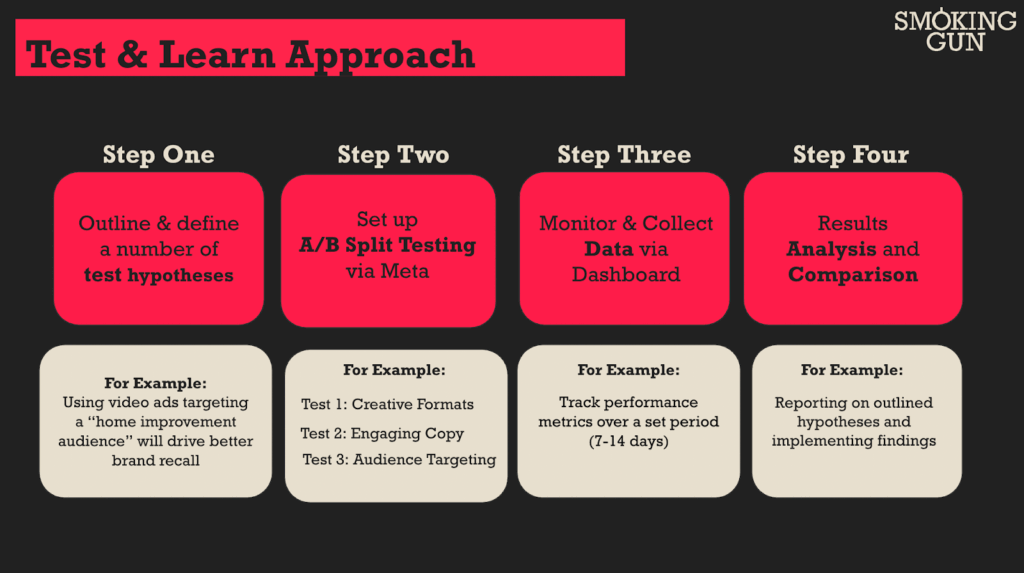
6. Test One New Thing
Platforms changed over the summer, and they’ll keep changing. Pick one new format, feature or creator partnership to test this quarter, set a clear hypothesis and measure it properly. Small, structured tests beat big, unplanned pivots.
7. Tidy Up the Basics
Check that your bios, links, highlights, templates, and image specs are current. Formats change with little warning, so use our social media cheat sheet to make sure every asset fits the platform it’s going on.
Common Social Media Strategy Mistakes to Avoid
- Posting without a purpose: activity without clear goals makes it impossible to know what’s working.
- Chasing vanity metrics: follower counts and likes rarely map to sales, leads or brand preference.
- Treating every platform the same: copying one post across every channel ignores how differently each audience behaves.
- Set and forget: platforms, algorithms, and audiences change fast, so a strategy needs regular review.
- Going quiet in a crisis: silence or deleted comments usually make things worse, not better.
Ready to Reset Your Social Media Strategy?
Social media marketing is important because it’s where reputations are built, decisions are made, and growth happens. But it only delivers when there’s a strategy behind it. Set goals that matter to the business, know your audience, show up in the right places, create content worth stopping for and measure what it achieves.
At Smoking Gun, we’re a social media marketing agency for ballsy brands with brains. We’ve banished vanity metrics to focus on impact, and every strategy we build is designed to deliver real business results. If your post-summer review has raised more questions than answers, talk to us.
Want to know where social is heading next? Read how social media has changed marketing.
FAQs
Why is social media marketing important for businesses?
Social media marketing is important because billions of people use social platforms every day to stay informed, discover brands and research products. It helps businesses build awareness, earn trust, drive website traffic, generate leads and sales, and gather real-time insight into what customers think.
How do businesses use social media for marketing?
Businesses use social media to raise brand awareness, publish content and video, generate leads, sell through social commerce, provide customer service, run influencer and creator partnerships, and listen to what audiences say about them and their competitors. The most effective businesses link each of these activities to a measurable business goal.
What is the importance of a social media strategy?
A social media strategy gives every post and campaign a clear purpose. It defines your goals, audience, platforms, content and measurement, so you can prove what social media delivers for the business and make better decisions about where to spend time and budget.
How often should you review your social media strategy?
Review performance monthly and revisit the strategy itself at least every quarter. Natural reset points, such as the return from summer or the start of a new financial year, are good times for a deeper review of goals, audiences, and platforms.